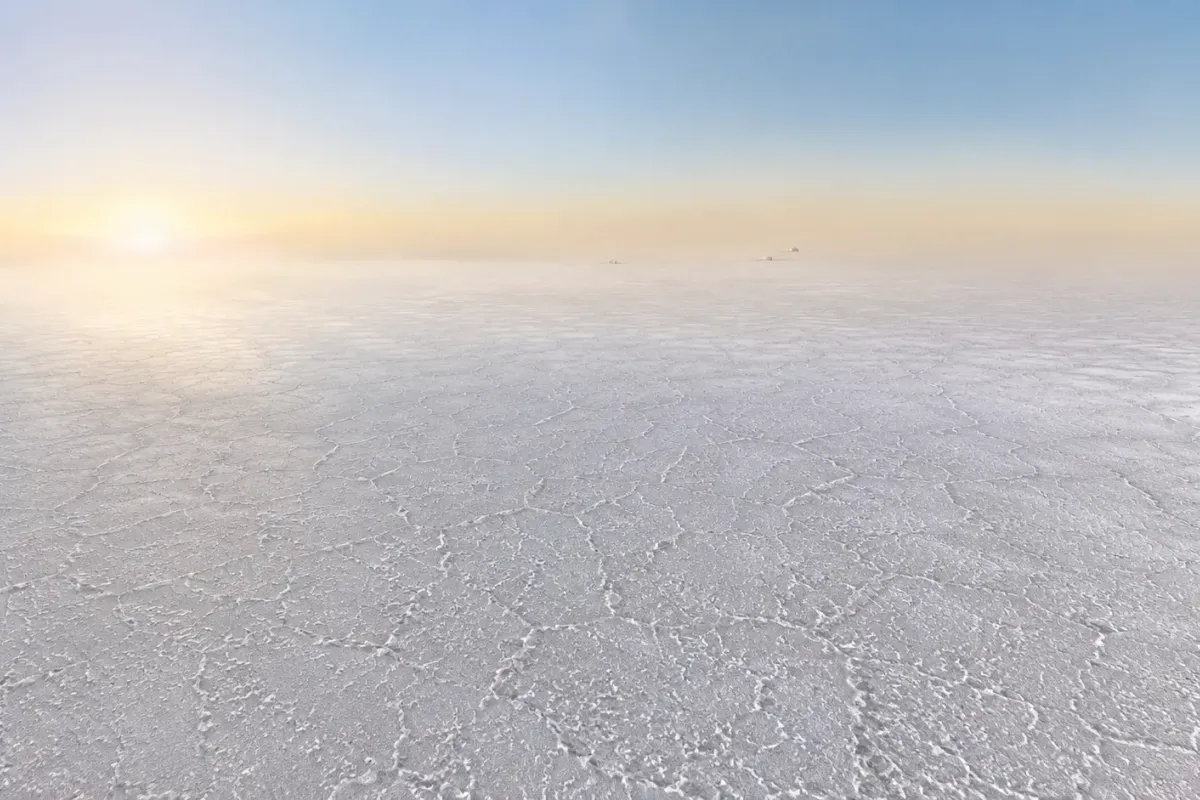
I have watched grown adults go quiet at the edge of the White Rann. Not the scripted, tour-brochure kind of quiet the actual kind, where someone stops mid-sentence because nothing in their normal life prepared them for 5,000 square kilometres of flat white salt meeting the sky. That is what kutch tourism is actually selling, and almost none of the guides written about it tell you what the trip really costs, when to skip it, or which of the "35 must-visit places" are genuinely worth your limited days. This guide does.
UNDERSTANDING KUTCH: THE BASICS BEFORE YOU PLAN
Kutch is not a town you visit it is a district the size of a small country. At 45,674 square kilometres, Kutch is the largest district in India, bigger than the entire states of Haryana and Kerala, and bigger than Estonia. That single fact explains why so many first-time visitors underestimate their kutch trip and end up exhausted, driving for hours between sights they assumed were "nearby."
The district headquarters is Bhuj, and almost every itinerary is built around it. Kutch's population sits at roughly 2.09 million people spread across 10 talukas and 939 villages a low density that is exactly why the landscape feels so vast and empty in the best possible way. The region survived a devastating 7.7-magnitude earthquake in 2001 that killed over 20,000 people; much of what you see in Bhuj today, including the rebuilt old city and the Aina Mahal restoration work, is a direct result of that recovery.
What draws people here isn't a single monument. It's a combination: the otherworldly White Rann salt desert, a UNESCO World Heritage archaeological site at Dholavira, some of India's most distinctive textile and craft villages, a working royal palace on a private beach at Mandvi, and a religious circuit around Narayan Sarovar and Koteshwar that few outsiders even know exists.
BEST TIME TO VISIT KUTCH: A MONTH-BY-MONTH BREAKDOWN
There is genuinely only one good window for kutch tourism, and it is short. From June to September, the Rann floods with seawater and monsoon runoff and becomes a shallow lake there is no white desert to see at all. As the water evaporates from October, the salt crystallises into the hard white crust that makes Kutch famous, and that crust is only reliably walkable from November through February.
Month-by-month weather and conditions: November: Day/night roughly 28°C / 10-15°C. Rann Utsav opens; salt may still be slightly damp in early weeks if monsoon retreat was late. December: Day/night roughly 28°C / 5-10°C. Peak season, coldest nights, Christmas-New Year rush, full-moon crowds. January: Day/night roughly 28°C / 5-10°C. Best all-round month dry hard salt crust, clear skies, Republic Day weekend rush. February: Day/night roughly 33°C / 10°C. Warmer days, thinner crowds after mid-month, still good salt conditions. March onward: 38°C+ by day. Rann Utsav closes; heat becomes punishing through April-June (up to 50°C).
Temperatures sourced from seasonal weather data for the Rann of Kutch region; treat them as typical ranges, not forecasts, and check a live forecast within a week of travel. If you can only pick one slice of the season, aim for early-to-mid January: the salt is at its driest and hardest, nights are crisp rather than brutal, and you've missed the absolute peak Christmas-New Year pricing.
HOW TO REACH KUTCH FROM YOUR CITY
Bhuj is the gateway for every serious Kutch itinerary it has the district's only airport (Bhuj Airport, code BHJ) and its main railway station. Almost nobody flies or trains directly into Dhordo or the White Rann; you land or arrive in Bhuj first, then continue by road.
Road distance and typical drive time to Bhuj: From Ahmedabad: ~330-340 km, 6-7 hours. From Rajkot: ~257-258 km, 4.5-5 hours. From Vadodara: ~445-448 km, 8-9 hours. From Surat: ~600-604 km, 11-12 hours. From Mumbai: best reached by direct flight (road is a full-day drive), roughly 1 hour by air.
From Bhuj, add roughly 80-85 km and 1.5-2 hours by road to reach the Dhordo Tent City and the White Rann viewing point itself most tour operators and Rann Utsav packages include this transfer from Bhuj airport or railway station at fixed timings. If you're driving from Ahmedabad, the Rann Utsav Tent City at Dhordo works out to roughly 410-420 km total, a 7 to 9-hour drive via Viramgam, Dhrangadhra, Bhachau, and Bhuj.
Bhuj airport connects with daily flights from Ahmedabad and Mumbai, and seasonally from Delhi; frequency improves noticeably during the Rann Utsav months. Bhuj railway station is the main rail gateway, with direct or overnight trains from Ahmedabad (roughly 7-8 hours), Mumbai, and Delhi book AC or sleeper class well ahead during peak season, as seats fill fast once full-moon dates approach.
RANN UTSAV 2026-27: DATES, PERMIT AND THE TENT CITY
Rann Utsav is the festival built specifically to let travellers experience the White Rann in comfort, with a temporary Tent City, cultural performances, and organised access to the salt desert. It has grown from a 3-day local celebration in 2005 into a roughly four-month event, and it's the reason most people plan a kutch trip around this specific window rather than visiting off-season.
At the time of writing, sources close to the season give slightly different opening and closing dates for 2026-27 figures ranging from 1 November 2026 through anywhere between late February and early March 2027 appear across different operator and Gujarat Tourism-linked listings. This is normal; the exact opening ceremony date is confirmed by Gujarat Tourism closer to the season each year. What is consistent across sources is the shape of the season: roughly four months, opening in the first week of November and running into early March, with four confirmed full-moon windows 23-25 November 2026, 22-24 December 2026, 21-23 January 2027, and 19-21 February 2027. Always verify exact dates on the official Rann Utsav booking channel before locking your travel dates.
The White Rann Entry Permit
Because the White Rann sits in a border-sensitive zone patrolled by the BSF (Border Security Force), you need a separate entry permit to walk on the salt this is different from and in addition to your Tent City or hotel booking. Indicative fees quoted by permit-booking guides are around ₹100 per adult and ₹50 per child (6-12 years), with children under 5 free, though the state periodically revises this, so reconfirm before you travel. The permit checkpost sits at Bhirandiyara village, about 55 km from Bhuj, and visitor access windows are commonly 6:00 AM to 8:00 PM, extended to midnight on full-moon nights. Carry a photo ID this is a border-security formality, not a suggestion.
Tent City Categories and Indicative Pricing
The official Tent City at Dhordo runs multiple accommodation tiers, from simple Non-AC Swiss Cottages to private Rajwadi and Darbari suites. Per-person, twin-sharing, 1 Night/2 Days rates (exclusive of GST) look roughly like this in the regular season, rising sharply on full-moon and holiday dates:
Non-AC Swiss Cottage: from ₹6,300 (regular season) / ~₹8,300 (full moon/festival) / ~₹10,300 (Christmas-New Year). Deluxe AC Swiss Cottage: ~₹7,900-8,900 (regular) / ~₹11,500 (full moon) / ~₹15,500-16,000 (Christmas-New Year). Premium / Super Premium Tent: ~₹8,900-9,900 (regular) / ~₹15,000-19,000 (full moon) / ~₹19,000-22,000 (Christmas-New Year). Rajwadi / Darbari Suite: highest tier across all date bands.
Prices as of Month 1 (August 2026), sourced from official Rann Utsav packages and tour-operator tariff pages current as of mid-2026 verify before booking, as rates are revised each season and can vary by operator. Packages typically bundle the tent stay, all meals, an evening cultural performance, a desert safari, and Bhuj transfer. Single occupancy usually carries a supplement of around 25%, and children under 6 commonly stay free.
Ready to Book Your Kutch Trip?
Contact our travel experts for personalized assistance and custom itineraries.
35 BEST PLACES TO VISIT IN KUTCH
This isn't a random scroll through 35 pins on a map. We've grouped every one of these kutch tourist places by how you'd actually visit them, because that's how you should plan your route not alphabetically.
The White Rann Circuit (Dhordo Side)
The White Rann of Kutch (Great Rann, Dhordo) - The reason most people book this trip. A near-perfectly flat salt desert stretching to the horizon, at its most surreal about 30 minutes before moonrise on a full-moon night, when the salt starts glowing silver-white. Sunset is the busiest slot; sunrise is quieter and better for photography.
Rann Utsav Tent City, Dhordo - The official pop-up resort built fresh each winter on the edge of the Rann, with cultural performances, craft stalls, and desert-adventure activities alongside the accommodation described above.
Kalo Dungar (Black Hill) - At 462 metres, this is the highest point in all of Kutch, located near Khavda town. It gives you a genuinely different perspective on the Rann's scale a 360-degree panoramic view stretching toward the India-Pakistan border. There's a 400-year-old Dattatreya Temple at the summit and a small legend attached to it involving jackals; ask a local guide, they enjoy telling it. There's an army post near the top, and photography restrictions apply close to it.
India Bridge - A short drive from Kalo Dungar, this bridge marks one of the northernmost points a civilian can travel toward on this route, with views over the Rann toward the border.
Banni Grassland Reserve - One of India's most ecologically important grassland belts, forming the outer rim of the Rann. Worth a stop for birdwatchers and for understanding how dramatically the terrain shifts between the salt flats and the scrubland just a few kilometres inland.
Hodka Village - A Banni community village known for mirror-work embroidery and traditional round mud-and-thatch homes called bhungas. Several homestay operators here offer an actual overnight stay in a bhunga rather than a tent, which is worth doing at least once.
Khavda Craft Village - The last real town before the Rann itself, known for pottery and the striking geometric Rogan-adjacent painting traditions of the region. A good comfort-break stop with chai stalls before continuing to Dhordo.
"Kutch Nahi Dekha To Kuch Nahi Dekha if you haven't seen Kutch, you haven't seen anything."
— Traditional Gujarati saying
Bhuj City
Aina Mahal (Hall of Mirrors) - Built in the 18th century by Maharao Lakhpatji, this palace is one of the more unusual examples of cultural fusion in Indian royal architecture, blending Kutchi craftsmanship with European glasswork and mirror inlay.
Prag Mahal - Standing beside Aina Mahal, this 19th-century palace takes the opposite architectural approach Italian Gothic columns and a clock tower you can climb for a rooftop view over old Bhuj. Seeing both palaces back to back on the same morning is one of the more interesting half-days in the city.
Kutch Museum - Gujarat's oldest museum, useful for context before you head out to the craft villages and Dholavira it houses textile, coin, and archaeological collections that explain a lot of what you'll see later in the trip.
Hamirsar Lake - Bhuj's historic rain-fed lake and the city's evening-walk spot. Not a headline attraction, but a pleasant, human-scale contrast after a day of desert distances.
Bhuj's Old City Bazaar - Narrow lanes rebuilt after the 2001 earthquake, good for bandhani (tie-dye) textiles, silver jewellery, and street food. Bargain properly; first-quoted prices are rarely final.
Swaminarayan Temple, Bhuj - A large, actively used temple complex in the city, worth a visit if you're interested in Kutch's living religious architecture rather than only its ruins and palaces.
Craft Villages Around Bhuj
Kutch is arguably India's single richest district for hand-craft diversity, and the villages below are why textile buyers, photographers, and design students specifically build trips around this region.
Bhujodi - The best-known weaving village near Bhuj, home to generations of families producing Kutchi shawls and stoles on traditional pit looms. Most workshops welcome visitors and will happily explain the weaving process.
Nirona Village - Home to Rogan Art, an extremely rare painting technique using castor-oil paste that only a handful of families in the world still practise; this same village is also known for bell-making (Lohar community) and copper-bell craftsmanship.
Ajrakhpur - Named for the Ajrakh block-printing technique it's built around deep indigo and madder-red geometric prints, still done with hand-carved wooden blocks.
Ludiya Village - Known for its distinctive circular mud-and-mirror-work bhunga houses and traditional Kutchi lifestyle demonstrations, often combined with a Hodka visit.
Coastal Kutch (Mandvi)
Mandvi Beach - Roughly 60 km from Bhuj, this is Kutch's main coastal escape clean sand, camel and horse rides, seasonal water sports (parasailing, jet-ski, banana boat), and some of the better sunsets on the Gujarat coast.
Vijay Vilas Palace - A 450-acre red-sandstone royal estate built in the 1920s by Maharao Shri Khengarji III as a summer retreat, with a private beach attached. It's still partly a residence of the Kutch royal family. Films including Lagaan and Hum Dil De Chuke Sanam were shot here. Typical visiting hours run 9:00 AM-1:00 PM and 3:00 PM-6:00 PM, and entry fees quoted by different sources range roughly ₹20-45 per person, with a small camera fee confirm current rates at the gate.
Mandvi Shipbuilding Yard A working yard where wooden dhows are still hand-built using techniques passed down for generations an unusual, low-key stop most tourists miss entirely.
72 Jinalaya Jain Temple, Mandvi A striking Jain temple complex near town, worth combining with the beach and palace visit.
Mandvi Windmill Coastline Rows of wind turbines line stretches of the coast near Mandvi an unexpectedly photogenic, modern counterpoint to the historic sights nearby.
History and Heritage
Dholavira Gujarat's fourth UNESCO World Heritage Site (inscribed 2021), and one of India's most important Indus Valley Civilisation excavations, dated to roughly 3000-1800 BCE. It sits on Khadir Bet island inside the Great Rann, managed by the ASI. Distance figures vary a fair bit by source and route road distance from Bhuj is quoted anywhere between about 210 km and 250 km depending on the road taken, roughly a 4 to 6-hour drive, so this is genuinely a full-day (or overnight) excursion, not a side trip. Entry fee is nominal (a few rupees for Indian nationals, notably higher for foreign visitors) confirm current ASI rates before you go, and plan at least 3-4 hours on site.
Lakhpat Fort - A vast, largely abandoned 18th-century fortified town near the Pakistan border, once a thriving port before an earthquake diverted the Indus and killed its trade. Walking its empty ramparts is one of the more haunting experiences in Kutch, this is genuinely a ghost town inside intact fort walls.
Narayan Sarovar - One of Hinduism's five sacred lakes (Panch Sarovar), an important pilgrimage stop near the Kutch coastline close to the Pakistan border.
Koteshwar Temple - An ancient Shiva temple right at the edge of the Arabian Sea, close to Narayan Sarovar, usually visited together as one pilgrimage-and-coastline combination.
Bhadreshwar Jain Temple - One of the oldest Jain pilgrimage sites in Gujarat, with a temple complex that's said to date back over 2,000 years in tradition, though the current structure is more recent.
Mata no Madh (Ashapura Mata Temple) - The seat of the Kutch royal family's patron goddess Ashapura, and one of the most visited temples in the region for Gujarati pilgrims specifically.
Nature and Wildlife
Little Rann of Kutch, Indian Wild Ass Sanctuary - Technically a separate rann from the Great Rann, and the only place on earth where the endangered Indian wild ass (khur) survives in the wild. The sanctuary spans nearly 5,000 sq km, established in 1972, and is on UNESCO's tentative World Heritage list. A separate permit and a registered safari jeep are required to enter.
Kutch Desert Wildlife Sanctuary ("Flamingo City") At over 7,500 sq km, this is India's largest wildlife sanctuary by area, encompassing much of the Great Rann itself. It's famous for "Flamingo City," where thousands of greater flamingos nest and breed seasonally one of the largest flamingo breeding colonies in the world when conditions align.
Chhari Dhandh A seasonal wetland near Nakhatrana that draws serious birdwatchers for migratory species, less touristed than the Rann itself.
Narayan Sarovar Wildlife Sanctuary Adjoining the sacred lake of the same name, home to chinkara (Indian gazelle) and other dry-scrub wildlife.
Off the Beaten Path
Siyot Caves Ancient Buddhist rock-cut caves near Lakhpat, believed to date back roughly 1,500 years a genuinely quiet, uncrowded historical site.
Mundra and Kandla Port Kutch's commercial and shipping hub, mainly useful as an alternate rail gateway if Bhuj connections don't work for your dates.
Anjar - A historic mainland town with its own old-city character and craft traditions, often used as a stopover point between Bhuj and Bhachau/Dholavira routes.
Ready to Book Your Kutch Trip?
Contact our travel experts for personalized assistance and custom itineraries.
KUTCH TRIP COST: BUDGET, MID-RANGE AND LUXURY
Here's what a realistic 4-day/3-night kutch trip costs per person, covering Bhuj, the White Rann/Dhordo, and Mandvi including stay, meals, local transport, and the major entry fees, but excluding your travel to and from Kutch itself.
Accommodation (per night): Budget ₹1,500-2,500 (budget hotel / Non-AC Swiss Cottage) | Mid-Range ₹4,500-8,000 (Deluxe AC / heritage hotel) | Luxury ₹10,000-25,000+ (Premium Tent / palace stay). Local transport, private cab (per day): Budget ₹2,500-3,500 | Mid-Range ₹3,500-5,000 | Luxury ₹5,500-8,000 (SUV/premium sedan). Meals (per day): Budget ₹500-800 | Mid-Range ₹1,000-1,500 | Luxury ₹2,000+. Entry fees & permits (total trip): Budget ~₹300-500 | Mid-Range ~₹500-800 | Luxury ~₹800-1,200 (guided access). Estimated total (4D/3N, per person, twin-sharing): Budget ₹8,000-13,000 | Mid-Range ₹18,000-28,000 | Luxury ₹35,000-60,000+.
Prices as of Month 1 (August 2026), built from current tent-city tariffs, entry-fee guides, and typical Kutch cab/meal rates verify before booking, as accommodation rates especially can rise sharply during full-moon and holiday weeks.
HOW MANY DAYS DO YOU NEED IN KUTCH?
This is the single most common planning mistake we see: people budget two days for a destination that genuinely needs four to five. Kutch's sights are spread across a district larger than Kerala.
2 Days / 1 Night: Covers Bhuj city + one night at Dhordo Tent City + the Rann at sunset. Misses: Mandvi, Dholavira, craft villages, Kalo Dungar. 4 Days / 3 Nights: Covers Bhuj + Dhordo/Rann + Kalo Dungar + one or two craft villages + Mandvi. Misses: Dholavira (needs its own overnight), Lakhpat, Narayan Sarovar circuit. 6-7 Days: Covers everything above, plus Dholavira as a proper overnight leg and the Lakhpat/Narayan Sarovar pilgrimage circuit. Misses: Little Rann Wild Ass Sanctuary (best done as a separate short trip).
If this is your first visit and you only have a long weekend, prioritise the Rann Utsav Tent City experience and Bhuj city that combination alone justifies the trip. Save Dholavira and the far western Lakhpat-Narayan Sarovar belt for a dedicated return visit; trying to cram both into one rushed trip is how people end up disappointed with places that deserve unhurried time.
13 PRACTICAL TIPS FOR VISITING KUTCH
Carry a physical photo ID at all times. The White Rann, Lakhpat, and areas near Narayan Sarovar are border-sensitive zones with active checkposts this isn't optional paperwork.
Mobile network coverage genuinely drops once you're past Khavda heading toward Dhordo and around Lakhpat. Download offline maps and inform someone of your rough plan before you lose signal.
Pack real layers, not just a jacket. A 28°C afternoon can drop to single-digit or low-teens temperatures within a couple of hours after sunset at the Rann a windbreaker plus a proper warm layer for the evening is non-negotiable in December-January.
Protect your camera gear from salt dust. The Rann's fine white salt gets into lens seams and zip pockets faster than sand does. A basic rain cover or dry bag helps.
Book full-moon dates 60-90 days ahead. These sell out first and price up the fastest this is the single most avoidable planning mistake.
ATMs thin out fast outside Bhuj and Gandhidham. Withdraw what you need before heading toward Dhordo, Khavda, or Lakhpat carry cash for craft-village purchases, where card machines are unreliable.
Road surfaces are excellent on the main Bhuj-Khavda-Dhordo route but degrade noticeably on village roads toward Ludiya, Nirona, and the Lakhpat circuit factor in slower speeds.
Avoid night driving beyond Bhuj. Limited lighting, stray cattle, and camel crossings make after-dark drives genuinely risky on the desert stretches.
Hire a local guide for Kalo Dungar and Dholavira specifically. Both sites have context (the magnetic-zone legend at Kalo Dungar, the layered urban planning at Dholavira) that's easy to walk straight past without one.
Sunglasses are not optional at the Rann. The salt's glare in daylight is genuinely bright enough to strain unprotected eyes within an hour.
Book your White Rann entry permit alongside your Tent City stay, not separately, most operators bundle this, but confirm it's included before you arrive at the checkpost.
If you're vegetarian or Jain, Kutch is unusually easy Kutchi Gujarati cuisine is predominantly vegetarian, and most tent-city and resort kitchens can accommodate strict dietary requests with advance notice.
Skip summer entirely. Between March and October, there is either no visible white desert (it's flooded or the crust is broken) or the heat is genuinely dangerous, this is not a shoulder-season destination the way some guides suggest.
FREQUENTLY ASKED QUESTIONS
What is the best time to visit Kutch tourism spots? November to February, with January generally offering the best balance of dry, hard salt crust and manageable crowds. The Rann is flooded from June to September and dangerously hot from March through May, so this winter window is really the only practical option for most travellers.
How many days are enough for a Kutch trip? Budget a minimum of 4 days and 3 nights to cover Bhuj, the White Rann/Dhordo, and Mandvi without rushing. Add 2-3 more days if Dholavira and the Lakhpat-Narayan Sarovar circuit are on your list, since both require significant additional driving time.
Is a permit required to enter the White Rann? Yes. The Rann sits in a BSF-controlled border zone, and every visitor needs a valid entry permit and photo ID, checked at the Bhirandiyara checkpost about 55 km from Bhuj. Indicative fees run around ₹100 per adult and ₹50 per child, though this should be reconfirmed closer to your travel date.
What are the top places to visit in Kutch besides the White Rann? Beyond the Rann itself, prioritise Bhuj's Aina Mahal and Prag Mahal, the Dholavira UNESCO site, Mandvi's Vijay Vilas Palace and beach, Kalo Dungar for the district's highest viewpoint, and at least one craft village Bhujodi for weaving or Nirona for Rogan art.
Is Kutch safe for solo female travellers? Kutch is generally considered one of the safer regions in Gujarat for solo travel, and the organised Tent City setup during Rann Utsav adds a further layer of structure and security. Standard precautions apply stick to registered transport after dark, and avoid unlit stretches near border checkposts alone at night.
Can I visit the Rann of Kutch without staying at the Tent City? Yes day-visitor access to the festival grounds is available at some operators without an overnight Tent City booking, and Bhuj-based hotels are a valid alternative base with a daily drive to the Rann. However, staying overnight at Dhordo is the only way to properly experience a full-moon night, since the light show is the whole point.
How far is Dholavira from Bhuj, and is it worth the drive? Road distance figures vary by source, roughly 210-250 km depending on the route, translating to a 4-6 hour drive. It's genuinely worth it if you care about the Indus Valley Civilisation or UNESCO sites specifically, but skip it on a short first trip it deserves an unhurried overnight, not a rushed day-trip bolted onto an already packed Rann itinerary.
FINAL VERDICT: IS KUTCH TOURISM WORTH PLANNING AROUND?
Yes, unreservedly, if you can commit at least four days and you're travelling between November and February. Kutch delivers a landscape genuinely unlike anywhere else in India, backed by craft traditions, a UNESCO site, and coastal royal heritage that most competing Gujarat itineraries can't match. It's right for photographers, culture-focused travellers, families wanting one unforgettable "big" trip, and anyone who has done the standard Rajasthan-Kerala-Goa circuit and wants something India hasn't overexposed yet.
It's the wrong trip for anyone expecting five-star infrastructure at every stop, travellers with under three days to spend, or anyone visiting outside the November-February window expecting to see the white desert because outside that window, it simply isn't there. Plan it right, in season, with enough days, and it earns every bit of the "Kutch Nahi Dekha To Kuch Nahi Dekha" reputation.
About the author: This guide was compiled by the IVARA Journeys travel team, who curate premium and pilgrimage travel packages across Gujarat, including dedicated Kutch and Rann Utsav itineraries. Last visited Kutch: August 2026.
Ready to see it for yourself? Talk to our Kutch travel expert (/contact) or explore our Rann Utsav packages (/packages/rann-utsav-kutch) and if you're combining this with Gujarat's other iconic desert festival, read our complete guide to the rann utsav (/blog/rann-utsav-2026-27-the-ultimate-guide-to-indias-white-desert-festival).
Ready to Experience This?